Critical loads
What gets powered first, and why
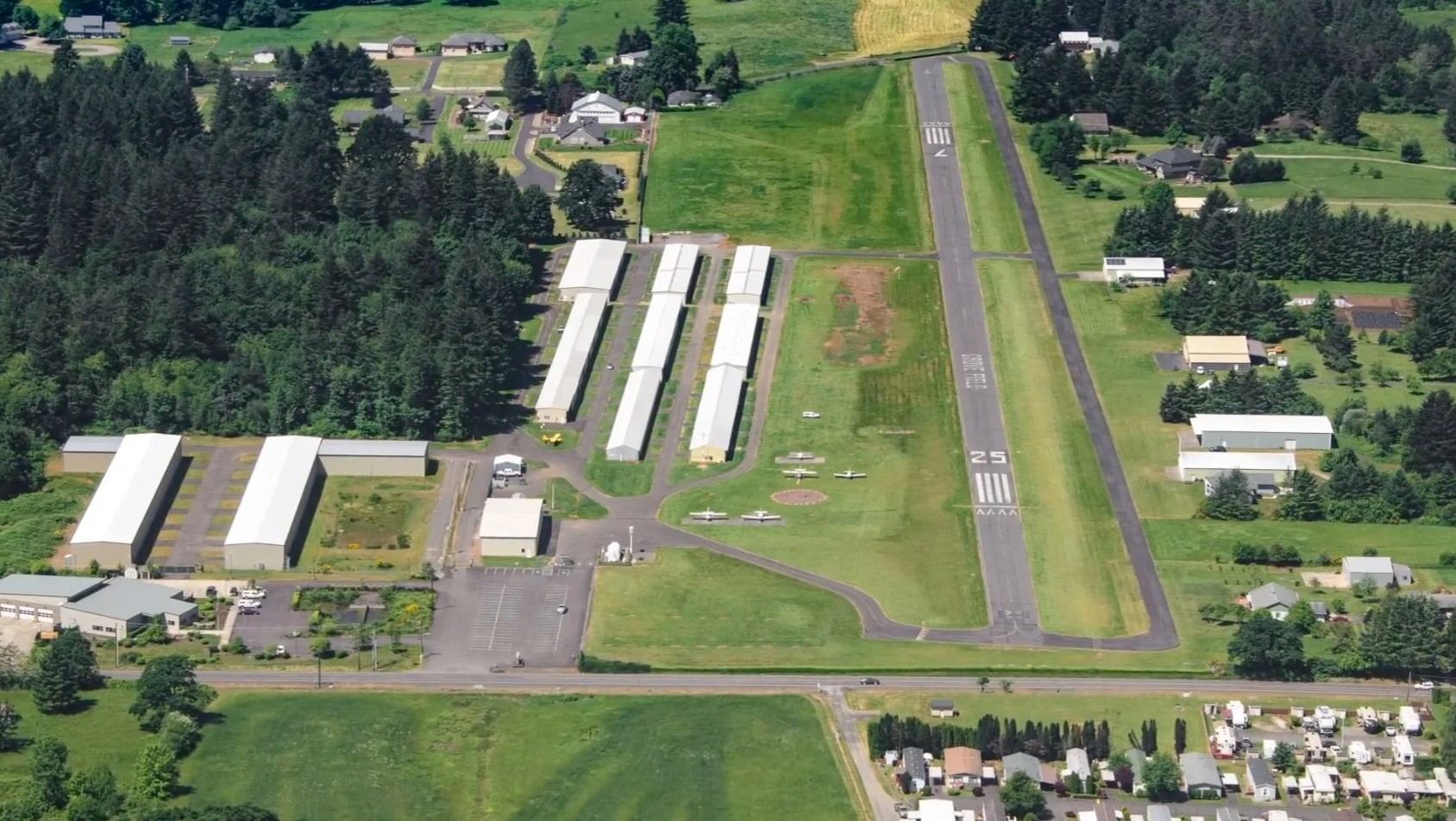
A resilience pilot only works if it is honest about scope. The design starts from a tiered list of loads, ranked by what actually determines whether the airport can support an emergency response — not by what would be simplest to power.
Tier 1 — Life safety
Emergency communications equipment, runway and apron lighting, and emergency dispatch coordination. These are the loads the pilot is designed around first.
Tier 2 — Response continuity
Fueling support systems, fire-cache power, and staging-area electrical needs that keep responders operating through an extended event.
Tier 3 — Operational support
Administrative, facility and comfort loads. These are the first to shed if storage capacity is constrained, and are not part of the pilot's guaranteed scope.
How this hierarchy will be validated
The tiers above are a planning framework, not a measured result. Actual load values, durations and priorities will be confirmed through engineering analysis before any performance claim is published.
Planning assumption: the three-tier structure above reflects current thinking on load priority and is subject to change once site-specific load data is collected. Planning assumption